Dr Prithish Bhardwaj, in his white coat
Hair fallPattern lossDandruffPost-transplant
2,000+patient reviews
100+documented cases
Doctor · New Delhi

Dr Prithish Bhardwaj

MBBS · Diploma in Dermatology · Fellowship in Dermatology

Hair and scalp problems are personal, and often stressful. I take the time to listen to your story, explain what is happening in plain words, and plan your care gently, at your pace.

  • I listen firstYour concern, in your own words.
  • I explain gentlyPlain language. No rush.
  • I give you timeUnhurried visits, steady follow-up.
40+countries with patients treated
40,000+patients in our data
Patient stories

See the change, then read the case

Real before and after photographs with the history and the treatment behind them. Tap a case to read it.

My story

My journey as a doctor

Swipe or use the arrows
Beyond the clinic

Two companies I stand behind

I run both myself, so the care and products I recommend are ones I can answer for.

How it works

Your consultation, step by step

Everything happens online, from the first booking to your monthly follow-up. Here is what to expect.

Book a consultation Choose a day Confirm Booked
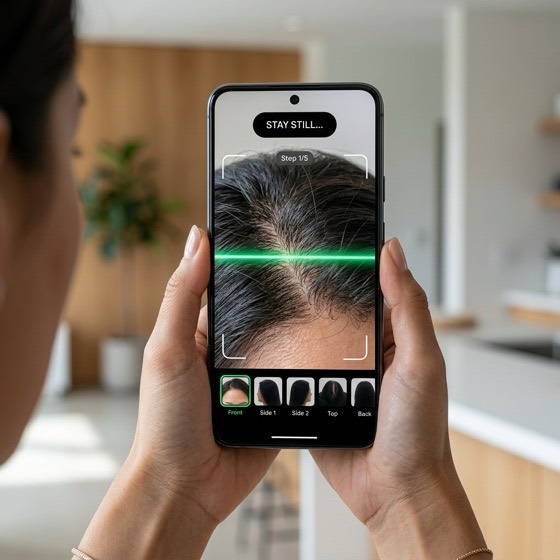
Photos sent
LIVE · Video call YOUR SCALP Let me look atyour photos… Checking scalp health
℞ Your planMade for you Prescription Diet plan Monthly kit Review date Your kit
Progress, month by month Month 1Month 2Month 3 How is your scalpthis month?Let's review together Kit updated Plan reviewed
Explore

Guides and business

Hair and scalp care

Hair loss treatment in Delhi NCR

I am Dr Prithish Bhardwaj, a doctor and trichologist. I find the cause of your hair loss first, then plan treatment that fits you, through an online consultation that works from anywhere in Delhi NCR.

What I treat

Types of hair loss I treat

Finding the right type is the first step, because each one is treated differently.

1Pattern hair loss (androgenetic alopecia)A genetic, hormone-sensitive thinning: a receding hairline, a thinning crown or a widening parting, in men and women. It is progressive, so early treatment helps.Learn more →
2Alopecia areataAn autoimmune condition that causes smooth, round patches of hair loss. It needs a doctor's assessment because the course varies.Learn more →
3Dandruff and scalp dermatitisFlaking, itching and a sore scalp can increase shedding. Treating the scalp protects the hair.Learn more →
4Sudden shedding (telogen effluvium)Heavy diffuse shedding after fever, stress, childbirth, a change of season, medicines, or thyroid and nutrition problems. It is often temporary once the cause is treated.Learn more →
5Hair loss after a hair transplantCare of the scalp, shedding and the grafts before and after a transplant.
6Hair fall in womenThinning at the parting, diffuse shedding, and problems linked to thyroid, iron or hormones.
How it works

From photographs to a personal plan

1Book onlineChoose a day that suits you.
2Share photosHair and scalp photographs from your phone.
3Video consultationI listen, look at your scalp and explain what is happening.
4Your planA prescription and diet plan made for you.
5Follow-upA monthly kit and a review of your progress.

Treatment may include medicated shampoos and scalp lotions, topical and oral medicines where suitable, nutrition and supplements after checking for deficiencies, and care of related conditions such as thyroid problems. Every plan is decided with a doctor.

Experience

Patients from 40+ countries

I have treated patients in more than 40 countries, with a patient database of over 40,000 people and more than 2,000 patient reviews. See real before and after photographs with the history and treatment behind each case.

Where

Serving patients across Delhi NCR

Consultations are online, so you can speak to me from home. Fidore Health's office is at Ground Floor, Plot No. G-56, Sector 6, Noida, Gautam Buddha Nagar, Uttar Pradesh 201301.

Delhi New Delhi Noida Gurugram Ghaziabad Faridabad

Questions

Hair loss treatment: common questions

How long does hair loss treatment take to work?

Hair grows slowly, so treatment is judged over months. Shedding often settles first, and visible density usually takes several months. In the cases published on this site, follow-up photographs were taken at 3 to 10 months. The time depends on the cause and on how early treatment starts.

Can I consult from Delhi without visiting a clinic?

Yes. Consultations are held by video call, and your plan starts from clear photographs of your hair and scalp. Fidore Health's office is at Ground Floor, Plot No. G-56, Sector 6, Noida.

Is hair loss reversible?

It depends on the cause. Shedding caused by stress, illness, nutrition, thyroid problems or a scalp condition is often reversible once the cause is treated. Pattern hair loss is progressive, so early treatment protects the hair you still have. Some rarer types that scar the scalp cannot regrow, which is why a proper diagnosis matters.

Do I need a hair transplant?

Not always. Many people improve with medical treatment alone. A transplant is considered when hair loss is advanced and stable, and good care of the scalp before and after a transplant still matters.

Is hair loss treatment only for men?

No. Women also lose hair, for example from female pattern hair loss, thyroid problems, low iron or stress. The cause and the plan can be different, so each plan is made for the person.

What should I prepare before my consultation?

Clear photographs of your hair and scalp in good light, a list of the medicines and hair products you use, any recent blood tests, and what you know about hair loss in your family.

Which doctor will I see?

Dr Prithish Bhardwaj, who holds an MBBS and a Diploma and Fellowship in Dermatology, and who focuses on trichology, the study and treatment of hair and scalp.

This page is general information and does not replace a consultation. Results differ between people.

Dr Prithish Bhardwaj, ready for your video consultation
Live video callWith Dr Prithish
2,000+patient reviews
Online consultation

Your hair consultation, online with a doctor

Talk to Dr Prithish Bhardwaj by video. We find the root cause, I explain it in plain words, and you get a plan made for you.

  • 40+countries treated
  • 100+documented cases
  • MBBSDip. and Fellow, Dermatology
How it works

From booking to a plan that fits you

Book a consultation Choose a day Confirm Booked
LIVE · Video call YOUR SCALP Let me look atyour photos… Checking scalp health
Finding the root cause Scalp health Hormones Nutrition Lifestyle Root cause found Here is what is happening,and why.
Real patient resultPatient
Before treatment
Start
After treatment
Month 6
StartMonth 3 · plan reviewMonth 6

Real patient photographs. Results vary between people.

What you get

In your consultation, you get

Hair and scalp photographs taken with a phone
Root-cause reviewWe look at your scalp, hormones, nutrition and lifestyle, not just the hair.
Dr Prithish Bhardwaj explaining your results
A clear explanationI explain what is happening and why, in plain words.
℞ Your planMade for you Prescription Diet plan Monthly kit Review date Your kit
A plan made for youA prescription and diet plan built around your hair and routine.
A monthly Fidore Health hair care kit
Monthly kit and follow-upYour plan is reviewed and your kit updated every month.
Real results

Patients, before and after

Tap a case to read the history and treatment. Outcomes vary between patients.

Patient reviews

In their own words

Prefer to chat first?

Tell me what you are going through

Pick your concern, add your name, and send it on WhatsApp.

Opens WhatsApp with your message ready. Nothing is sent until you press send there.

Questions

Before you book

What happens in the consultation?

You speak to Dr Prithish by video. He asks about your hair, health and lifestyle, looks at your hair and scalp photographs, explains what is causing the problem, and plans your treatment.

Who should book?

Anyone with hair fall, thinning, a receding hairline, bald patches, dandruff or an itchy scalp, or who needs care after a hair transplant.

Can an online consultation really help?

Photographs and your history give a doctor a lot of information. Where tests are needed, the doctor will tell you, and your plan is followed up every month.

What should I prepare?

Clear photographs of your hair and scalp in good light, a list of the medicines and hair products you use, any recent blood tests, and what you know about hair loss in your family.

How do I book?

Click Book my consultation, choose a day and complete the booking on the Fidore Health booking page. Fidore Health is the doctor-led hair care company founded by Dr Prithish.

Is my consultation private?

Yes. A consultation is a private conversation between you and your doctor.

Take the first step for your hair

Book my consultation
Pattern hair loss

Androgenetic alopecia treatment in Delhi

Androgenetic alopecia, also called pattern hair loss, is the most common cause of hair loss. It runs in families and makes hair follicles shrink over time, so hairs grow thinner and shorter. It can begin in the late teens or twenties, in both men and women.

At a glance

What to know about androgenetic alopecia

1Signs to look forIn men: a receding hairline at the temples and thinning at the crown. In women: thinning at the parting and less overall density, usually with the front hairline kept. Hair becomes finer and the scalp shows more in bright light.
2Why it happensA mix of genes and the hormone DHT acting on sensitive follicles. Stress, poor nutrition and scalp problems do not cause it, but they can make shedding worse.
3How it is diagnosedBy the pattern of loss, your family history and a close look at the scalp (trichoscopy). Blood tests such as iron, vitamin D and thyroid may be done to find other contributors.
4How it is treatedTreatment aims to slow the loss, improve density and protect the hair you still have. A doctor may discuss topical minoxidil, oral medicines that reduce DHT where suitable (with counselling on benefits and side effects), correction of deficiencies and scalp care. A hair transplant may be considered for advanced, stable loss and still needs medical treatment alongside.
5How long it takesShedding often slows in about 3 months. Visible density usually takes 6 to 12 months, and treatment is ongoing because the loss can resume if it is stopped.
Real cases

See how it is managed

The case studies page shows before and after photographs with the history, treatment and outcome behind each case. Outcomes differ between people.

Questions

Common questions

Is pattern hair loss permanent?

It is progressive and does not go away by itself. Treatment can slow it and often improves density, especially when started early.

Does it only happen to men?

No. Women also get pattern hair loss, usually as thinning at the parting. The cause and the treatment plan can differ from men.

Can a shampoo or oil stop it?

No shampoo or oil on its own treats pattern hair loss. A proper diagnosis and a medical plan matter more.

Should I see a doctor at the first sign?

Yes. Hair follicles that have shrunk for a long time respond less, so starting early protects more hair.

This page is general information and does not replace a consultation. Results differ between people.

Other types

Other types of hair loss

Scalp care

Dandruff and scalp dermatitis hair fall treatment in Delhi

Seborrheic dermatitis is an inflammatory scalp condition that causes flaking, itching, greasy scales and redness. When the scalp stays inflamed, shedding can increase. Treating the scalp is often the first step in protecting the hair.

At a glance

What to know about seborrheic dermatitis and dandruff-related hair fall

1Signs to look forPersistent flakes, often yellowish and greasy, with itching, redness or a sore scalp. It can also affect the eyebrows and the skin behind the ears. You may notice more hair on the pillow or in the comb.
2Why it happensAn over-reaction of the skin to a yeast that normally lives on it, together with oily skin. Stress, weather changes and infrequent washing can trigger it. It can sit alongside pattern hair loss.
3How it is diagnosedBy examining the scalp. Other conditions with similar flaking, such as psoriasis, fungal infection or folliculitis, are ruled out, and a pull test checks how much hair is shedding.
4How it is treatedA doctor may advise a medicated anti-fungal shampoo used on a schedule, a short course of an anti-inflammatory lotion if needed, scalp hygiene, and treatment of any hair loss that exists alongside.
5How long it takesItching and flaking often ease in 2 to 4 weeks. Shedding usually settles as the scalp calms. Regular maintenance washes help keep it from returning.
Real cases

See how it is managed

The case studies page shows before and after photographs with the history, treatment and outcome behind each case. Outcomes differ between people.

Questions

Common questions

Does dandruff cause hair fall?

Mild dandruff usually does not. Severe or inflamed scalp conditions can increase shedding, and treating the scalp often reduces it.

Is it contagious?

No. Seborrheic dermatitis cannot be passed from one person to another.

Can I use anti-dandruff shampoo every day?

How often to use it depends on the product and your scalp, so follow the schedule your doctor gives you.

Will it come back?

It tends to come and go. A maintenance routine and early treatment of flare-ups keep it under control.

This page is general information and does not replace a consultation. Results differ between people.

Other types

Other types of hair loss

Sudden shedding

Sudden hair shedding treatment in Delhi

Telogen effluvium is a sudden, heavy shedding that usually starts 2 to 3 months after a trigger, when many hairs move into the resting phase together. It affects the whole scalp rather than one area, and it is often temporary once the cause is treated.

At a glance

What to know about telogen effluvium

1Signs to look forHandfuls of hair in the shower or comb, an overall thinning, and no bald patch. Normal shedding is about 50 to 100 hairs a day, so a clear jump is worth checking.
2Common triggersA high fever or illness, surgery, childbirth, crash dieting, low iron, vitamin D or B12, thyroid problems, some medicines, severe stress, and a change of season such as the monsoon.
3How it is diagnosedBy the timeline of the trigger and a pull test across the scalp. Blood tests such as ferritin, vitamin D, B12 and thyroid are often done, and the doctor checks that pattern hair loss is not also present.
4How it is treatedFinding and treating the trigger comes first. A doctor may correct low levels, advise gentle hair care, and use medicines where appropriate, with follow-up to confirm the shedding settles.
5How long it takesShedding usually settles within a few months once the trigger has passed, and regrowth follows over 3 to 6 months. Shedding that continues beyond 6 months needs a closer look.
Real cases

See how it is managed

The case studies page shows before and after photographs with the history, treatment and outcome behind each case. Outcomes differ between people.

Questions

Common questions

Will my hair grow back?

Usually yes, once the cause is treated. The follicles are not damaged, they are only resting.

How is it different from pattern hair loss?

Telogen effluvium is diffuse shedding after a trigger. Pattern hair loss is gradual thinning in a typical pattern. The two can happen together.

Is monsoon hair fall normal?

Some seasonal shedding is common. If it lasts beyond 2 to 3 months, or you see thinning, see a doctor.

Can stress alone cause it?

Yes. Severe physical or emotional stress can push many hairs into the resting phase at once.

This page is general information and does not replace a consultation. Results differ between people.

Other types

Other types of hair loss

Patchy hair loss

Alopecia areata treatment in Delhi

Alopecia areata is an autoimmune condition in which the immune system attacks hair follicles, causing smooth, round patches of hair loss. It can affect the scalp, beard or eyebrows, at any age. Because the course varies, it needs a doctor's assessment.

At a glance

What to know about alopecia areata

1Signs to look forOne or more smooth, round patches that appear over days or weeks, usually without itching or scaling. Short, tapered hairs at the edge of a patch and small pits in the nails can be clues.
2Why it happensThe immune system mistakes hair follicles for something harmful. Genes play a part, and it is linked with conditions such as thyroid disease. Stress may trigger a flare but is not the only cause.
3How it is diagnosedBy examining the patches and the scalp with a dermoscope. Other causes of patchy loss, such as a fungal infection, are ruled out, and tests for thyroid or other autoimmune conditions may be advised.
4How it is treatedTreatment depends on how much hair is affected. A doctor may use corticosteroids applied or injected into small patches, other medicines for larger areas, and specialist treatment for extensive disease. Support is also an important part of care.
5How long it takesLimited patches often begin to regrow within about 3 months, but the course is unpredictable and relapse is possible. Not everyone regrows fully.
Real cases

See how it is managed

The case studies page shows before and after photographs with the history, treatment and outcome behind each case. Outcomes differ between people.

Questions

Common questions

Is alopecia areata contagious?

No. It cannot be passed from one person to another.

Will the hair grow back?

Often it does, especially with small patches, but the course varies and patches can return.

Is it caused by stress?

Stress can trigger a flare in some people, but it is an autoimmune condition and stress is not the only cause.

Is it the same as pattern hair loss?

No. Pattern hair loss is gradual thinning and is genetic. Alopecia areata is patchy and autoimmune, and is treated differently.

This page is general information and does not replace a consultation. Results differ between people.

Other types

Other types of hair loss

Hair and scalp care

Hair fall treatment in New Delhi

Hair fall has many causes, and the right plan depends on finding the cause first. Here is what I look at, written by a doctor.

Causes

Common reasons for hair fall

1NutritionLow iron, vitamin D or B12, and crash diets, can thin hair over a few months.
2Hormones and thyroidThyroid problems and conditions such as PCOS can change how much hair is shed.
3Pattern hair lossGradual thinning at the crown or hairline, often running in families.
4Stress and illnessFever, surgery, childbirth or long stress can cause heavy shedding weeks later.
5Scalp conditionsDandruff, scalp inflammation and fungal infections can weaken hair at the root.
6Hair care habitsTight styles, heat, harsh products and chemical treatments can break hair.
When to see a doctor

Do not wait if you notice this

See a doctor if hair fall continues for more than 2 to 3 months, if you see bald patches, if the scalp is itchy, painful or scaly, or if hair loss comes with tiredness, weight change or irregular periods.

The approach

How a doctor-led plan works

Hair photographs taken with a smartphone for assessmentStep 1Photo-based assessmentHair and scalp photographs establish the baseline.
2Step 2Doctor-led planA custom prescription and diet plan for the patient.
Fidore Health hair care kitStep 3Monthly kit and follow-upTreatment is reviewed and updated each month.
Questions

Common questions

How much hair fall is normal?

Most people shed around 50 to 100 hairs a day. Shedding that is clearly more than usual, or thinning you can see, is worth checking.

How long does it take to see a change?

Hair grows slowly. Most treatment plans are judged over several months, which is why follow-up photographs matter.

Is hair fall treatment only for men?

No. Women and men both experience hair fall, and the causes and plans can be different.

Can I consult online?

Yes. Consultations are booked through Fidore Health, and the plan starts from photographs of your hair and scalp.

This page is general information and does not replace a consultation. Results differ between people.

Dr Expert Formulation

Hair and skin care formulation and manufacturing

Dr Expert Formulation is a doctor-led cosmetic formulation and manufacturing company in Noida, Uttar Pradesh, founded by Dr Prithish Bhardwaj.

NoidaManufacturing base, Uttar Pradesh
Doctor-ledFormulated with a clinical view of the skin and scalp
IBRIndia Book of Records recognised
Recognition

First doctor to set up a cosmetic manufacturing unit

India Book of Records recognised Dr Prithish Bhardwaj as the first doctor to establish a cosmetic formulation and manufacturing unit.

India Book of Records recognition for Dr Prithish Bhardwaj
At the unit

Where the products are made

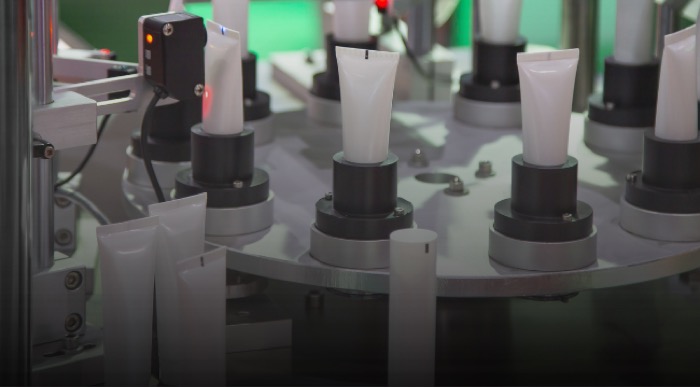
Dr Expert Formulation manufacturing unitUnitFormulation and manufacturingHair care and skin care products made in house.
Dr Expert Formulation productRangeHair and skin careSerums, shampoos and supplements.
Business enquiries

Talk to me directly

For manufacturing, formulation or partnership enquiries, write to me or message on WhatsApp with what you have in mind.

Ventures

The pitch

Two doctor-led companies, shown as a short deck. Tap a number, follow the flow, and see how each one works.

01 / 05Overview

Two ventures. One doctor-led standard.

₹2 CrDr Expert Formulation, since March 2026
₹1.5 CrFidore Health, every year
Leading brandsDr Expert makes products for some of India's biggest names
02 / 05Scale

The numbers, at a glance

Revenue scale

₹ crore

Share of combined scale

  • Dr Expert Formulationabout 57%
  • Fidore Healthabout 43%

Figures are approximate and company-reported. Dr Expert's covers March 2026 to date; Fidore's is per year.

03 / 05Dr Expert Formulation
≈ ₹2 Crsince Mar 2026
Top brandsmade for leading names
1stof its kind (IBR)
Noida, Uttar PradeshOperations since Mar 2026

Dr Expert Formulation

A doctor-led cosmetic formulation and manufacturing company. I am Director and Chief Technical and R&D Officer.

  • Technical direction, formulation strategy and R&D.
  • Skincare, haircare and personal-care formulations, from the lab to manufacturing.
  • Custom formulation, third-party and private-label manufacturing.

How it works. Tap a step.

Dec 2025Company established
Mar 2026Operations begin
20 Jul 2026India Book of Records
Now≈ ₹2 Cr in under 9 months
04 / 05Fidore Health
₹1.5 Crevery year
60documented cases
4.9 / 512 reviews shown
TrichologyFounded 2024

Fidore Health

A health-tech venture for trichology: the evaluation and management journey for hair and scalp concerns. I was founder and IT Head.

  • An assessment, consultation and follow-up workflow, built with a team of doctors and technology professionals.
  • Full-stack patient-management software and CRM workflows.
  • Hair-care product development and peptide-led formulation initiatives.

A patient's path. Tap a step.

2024Fidore Health founded
2024 to 2025Patient software and CRM built in-house
Today60 cases, 4.9 / 5 reviews
Every year₹1.5 Cr revenue
05 / 05Next

Build something that helps people

Make products with a doctor in the lab, or partner on digital hair and scalp care. I would like to hear from you.

Recognition

On the record

A national first, confirmed by India Book of Records.

01 / 03India Book of Records

First doctor to establish a cosmetic formulation and manufacturing unit

20 JulConfirmed, 2026
Issue 67Featured, October 2026
02 / 03Moments

The day it was confirmed

With the India Book of Records certificate

03 / 03The path

From clinic to record

Tap a step.

Results

Clinical case studies

A selection from 100+ documented cases at Fidore Health, the trichology venture I founded. See the before and after first, then tap a case to read the history, treatment and outcome.

Patient age

Swipe sideways to browse. Tap a case to read it. Outcomes vary between patients and are not a guarantee. See all journeys on Fidore Health.

Learn the alopecias

Four illustrative cases

Teaching stories that show how each condition usually presents and is approached. These are not real patients. Names and details are invented to explain the condition.

For education only. This is not medical advice or a prediction for any individual. Treatment is decided case by case with a doctor.

Patient reviews

In their own words

Excerpts from reviews on Fidore Health. Open the source to read each in full.

Read all reviews on fidorehealth.com

Leadership

From college to national stage

Eight roles across three medical student organisations.

01 / 03Overview

Leading, year after year

8national and state roles
3organisations
2019 to 2025from college head to national president elect
GAIMS logoAMSA logoNSUI logo
02 / 03The ladder

How my scope grew

AMSAGAIMSNSUI Medical WingTaller bar, wider scope
03 / 03Organisations

Where I served

GAIMS logoGlobal Association of Indian Medical Students
  • Assistant State Director2021
  • National Vice President2023
  • National General Secretary2023 to 24
  • National President Elect2024
AMSA logoAsian Medical Students' Association
  • College Head2019
  • State Head2020 to 21
  • National IT Director2022
NSUI logoNational Students' Union of India, Medical Wing
  • State President2024 to 25

Also: Marrow ambassador, 2019 to 2023. Organised academic and public-health initiatives.

Contact

Let's talk

Pick what you need and reach me in one tap.

01 / 03Reach me

Dr Prithish Bhardwaj

MBBSDiploma in DermatologyFellowship in Dermatology

A doctor first. Everything I build starts from a patient's problem.

Emailbhardwajprithish@gmail.com
Write
Phone and WhatsApp+91 85879 66388
Based inNew Delhi, India
Fidore HealthGround Floor, Plot No. G-56, Sector 6, Noida, Gautam Buddha Nagar, Uttar Pradesh 201301
02 / 03How can I help

I'd like to ...

03 / 03Trust

Where my work shows

India Book of RecordsRecord holder
Dr Expert FormulationDirector and CTO R&D
Fidore HealthFounder
GAIMSNational President Elect
AMSANational IT Director
NSUIState President
MarrowAmbassador
Consultations openBook a consultation